
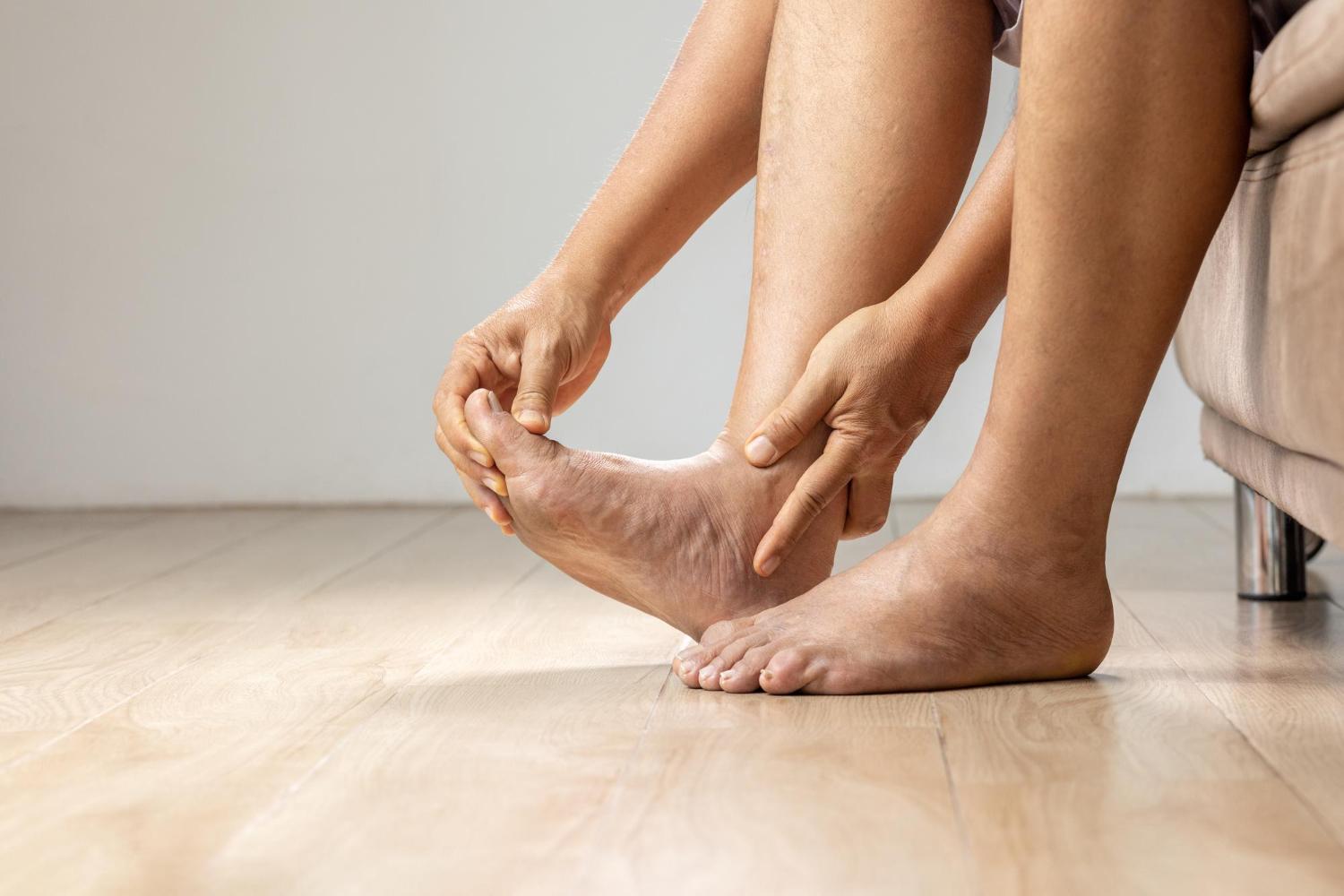
Brown, reddish, or purplish skin around the ankles is not always a cosmetic issue. When these changes develop slowly or appear with swelling, aching, heaviness, or visible veins, we recommend having them evaluated.
Venous insufficiency happens when leg veins have trouble moving blood back toward the heart. Blood can collect in the lower legs, placing pressure on nearby skin and tissue. At Vein Care Practice, we help patients understand whether vein disease may be behind these changes before symptoms become more serious.
Why Venous Blood Can Leave Brown Marks
Healthy leg veins use small valves to help blood move in the right direction. When those valves are not working well, blood may pool in the lower legs and ankles. The added pressure can allow tiny amounts of blood and fluid to move into surrounding tissue, causing inflammation and skin changes.
As red blood cells break down, they can leave iron deposits called hemosiderin. Over time, these deposits may create brown, rust-colored, reddish-brown, or purplish areas near the ankles and lower calves. A small patch may slowly spread or become darker.
Skin changes do not look the same for everyone. Depending on your skin tone, you may notice a shift in color, texture, or comfort rather than an obvious brown mark. We encourage you to pay attention to changes such as:
- Dry, flaky, tight, or irritated skin
- Itching around the ankles or lower calves
- Swelling that gets worse later in the day
- Skin that feels tender, thick, or uncomfortable
- Discoloration that persists or gradually spreads
When these symptoms occur together, venous insufficiency treatment in Mississippi may be worth discussing with a vein specialist. An evaluation can help us determine whether circulation problems are contributing to your skin changes.
Other Signs of Vein Disease to Watch For
Ankle discoloration often comes with other signs of vein disease. We commonly hear that symptoms feel worse after long periods of sitting, standing, driving, working, or traveling. Elevating the legs or resting may bring temporary relief, but the discomfort can return once daily activity starts again.
You may notice a pattern that includes:
- Swollen ankles or calves
- Legs that feel tired, heavy, achy, or throbbing
- Itching, burning, nighttime cramps, or restless legs
- Visible varicose veins
- Symptoms that improve with rest but return after being on your feet
Without attention, ongoing pressure in the veins can affect the skin and soft tissue over time. Some people develop inflammation, hardened areas of skin, or lipodermatosclerosis. Slow-healing wounds near the ankles, often called venous ulcers, can also develop and may need more involved care.
Certain symptoms need immediate medical attention and should not be assumed to be routine vein disease. Seek urgent care for sudden swelling in one leg, severe leg pain, chest pain, shortness of breath, or a wound that is rapidly getting worse.
Understanding Venous Insufficiency Treatment in Mississippi
A vein evaluation begins with a conversation about your symptoms, health history, daily routine, and any changes in your skin. We may use duplex ultrasound to look at blood flow and identify veins where damaged valves are allowing blood to move backward, a problem known as reflux.
For some people, conservative care can help manage symptoms. Depending on your needs, we may recommend steps such as wearing compression stockings, walking regularly, elevating your legs, managing weight when appropriate, and breaking up long stretches of sitting or standing. These steps may reduce discomfort and swelling, but they do not correct every underlying vein problem.
When testing shows vein disease, minimally invasive treatment may be an option. Procedures can treat problem veins and redirect blood through healthier veins. These treatments are often performed in an outpatient setting. The right recommendation depends on the location and severity of the vein issue, your overall health, prior treatment, and whether skin damage or venous ulcers are already present.
Protecting Your Legs During the Holiday Season
The holiday season can bring long car rides, flights, hours spent preparing meals, shopping, or standing at gatherings. Even in South Mississippi’s mild climate, changes in routine and less regular movement can leave legs feeling more swollen or uncomfortable.
Small movement breaks can make a meaningful difference during busy days. We often suggest building these habits into travel and holiday plans:
- Stand up and walk regularly during long trips
- Flex your ankles and calves while seated
- Stay hydrated throughout the day
- Wear compression stockings if we have recommended them
- Elevate your legs after a long day when possible
Fall and winter can also be a practical time to address symptoms before spring and summer activities pick up. Our team serves patients in Hattiesburg, D'Iberville, Meridian, and nearby South Mississippi communities who are concerned about ongoing swelling, varicose veins, skin changes, or wounds that are slow to heal.
Take Persistent Skin Changes Seriously
Brown, reddish, or purplish ankle discoloration can be an important warning sign of venous insufficiency. Not every change in skin color comes from vein disease, but persistent discoloration deserves professional attention, especially when it appears with swelling, aching, itching, heaviness, or visible veins.
Early evaluation can help identify the cause of your symptoms and guide appropriate care. Paying attention to changes in your legs now may help protect your comfort, skin health, and circulation over time.
Find Answers Tailored to Your Vein Health
At Vein Care Practice, we provide clear guidance and personalized options for symptoms related to vein disease. Take our venous insufficiency treatment in Mississippi quiz to better understand what your symptoms may indicate. If you would like to discuss your concerns with our team, contact us today.
