
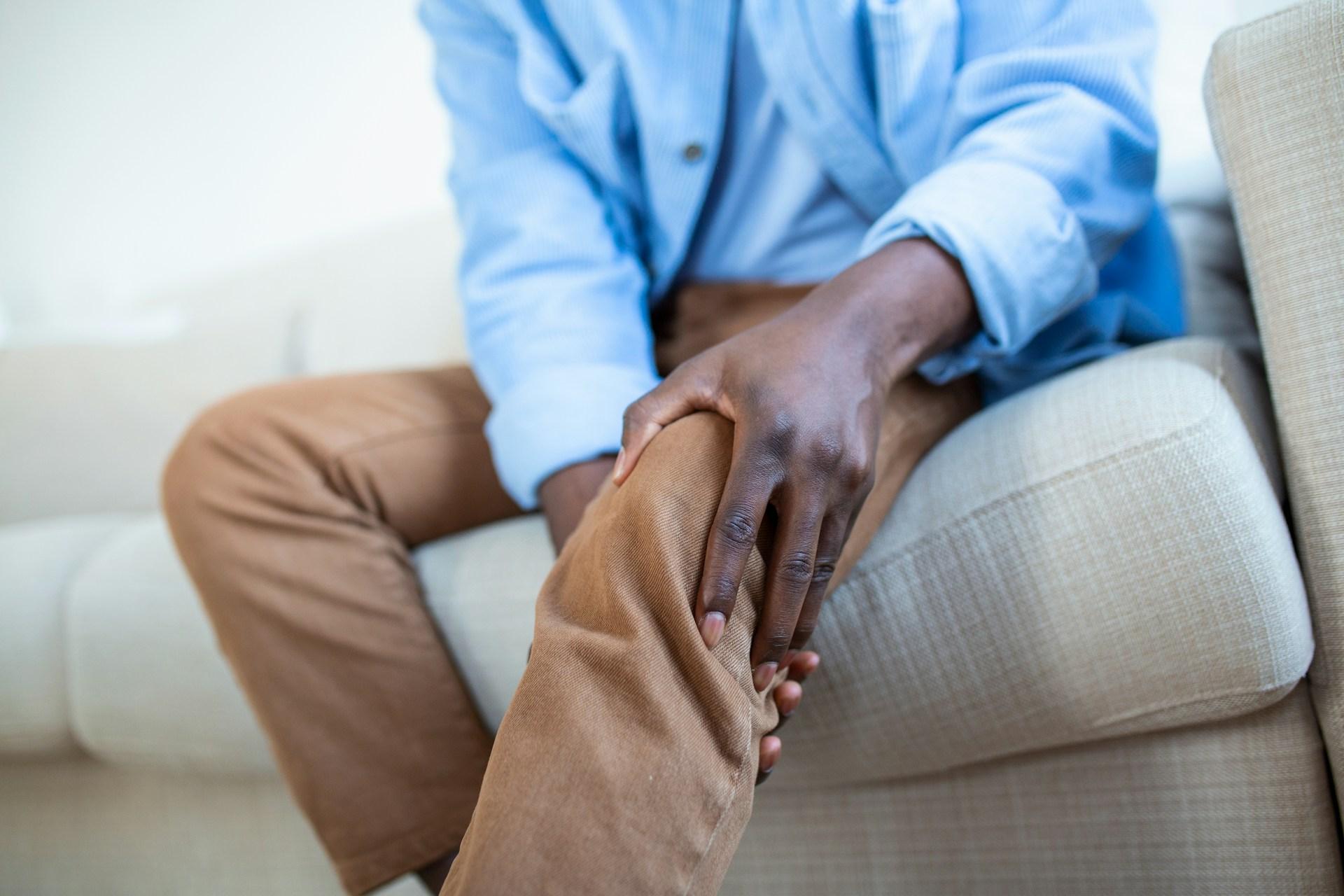
Heavy, aching legs can make an ordinary day feel much longer. During the holiday season, travel, family gatherings, and long workdays may mean more time sitting or standing in one position. While it is easy to blame leg discomfort on getting older, being tired, or doing too much, ongoing heaviness can be a sign of chronic venous insufficiency.
At Vein Institute of South Mississippi, we help you look beyond the surface symptoms. A vein evaluation can help us determine whether faulty leg veins may be contributing to your discomfort and whether a minimally invasive treatment such as endovenous thermal ablation may be appropriate.
When Heavy Legs Are More Than Everyday Fatigue
Leg heaviness often feels like your legs are tired, full, or difficult to move by the end of the day. You may feel better for a while after walking, elevating your legs, or wearing compression stockings, only to have the discomfort return after sitting or standing again.
Along with heavy, aching legs, we often evaluate symptoms such as:
- Throbbing, burning, itching, or restless legs
- Swelling in the feet, ankles, or lower legs
- Nighttime cramps or discomfort that interrupts sleep
- Visible varicose veins or small spider veins
- Skin discoloration or changes around the ankles
These symptoms do not automatically mean you have vein disease. Still, when they happen often or interfere with daily life, they deserve attention. An ultrasound evaluation can help us look for problems with blood flow that may not be visible from the outside.
How Venous Reflux Can Cause Aching and Swelling
Healthy leg veins have one-way valves that help blood move upward toward the heart. When those valves become weak or stop closing properly, blood can flow backward and collect in the legs. This is called venous reflux, and it is a common cause of chronic venous insufficiency.
As blood pools in a damaged vein, pressure can build. That pressure may lead to aching, fatigue, swelling, bulging varicose veins, and changes in the skin over time. Many people notice that their legs feel worse later in the day, especially after being on their feet or remaining seated for long periods.
Several factors may raise the chance of developing vein problems, including:
- A family history of vein disease
- Pregnancy, hormonal changes, or age
- Jobs that involve extended sitting or standing
- Higher body weight
- A history of blood clots
Because leg pain and swelling can have many causes, we do not assume every symptom is related to veins. Diagnostic ultrasound allows us to assess blood flow, locate damaged veins, and determine whether venous reflux is present. That careful step helps us recommend treatment based on your actual needs.
What Happens During Endovenous Thermal Ablation
Endovenous thermal ablation is a minimally invasive procedure used to close a diseased vein that is allowing blood to flow backward. Depending on your treatment plan, we may use radiofrequency energy or laser energy to gently heat the inside of the targeted vein.
During treatment, we use ultrasound guidance to place a thin catheter into the affected vein through a small entry point. Local anesthetic is placed around the vein, then controlled thermal energy is used to close it. Large surgical incisions are not needed.
Once the unhealthy vein is closed, blood can naturally redirect through nearby healthy veins. Over time, the treated vein is absorbed by the body. By reducing the backward flow and pressure inside the leg, endovenous thermal ablation may help address the source of symptoms rather than simply covering them up.
This procedure is typically performed in an outpatient setting. We generally encourage walking soon afterward, although your recovery instructions will be based on your health, the veins treated, and the details of your care plan.
What Relief May Look Like After Treatment
For people whose ultrasound confirms venous reflux, endovenous thermal ablation can reduce the pressure that contributes to heavy, aching legs. Results vary from person to person, and improvement depends on the cause of your symptoms, your vein anatomy, and your overall health.
After treatment, some people may notice:
- Less heaviness and aching in the legs
- Better comfort while standing, walking, or traveling
- Reduced swelling by the end of the day
- Fewer nighttime cramps or restless sensations
- Less discomfort from visible varicose veins
Relief is not always immediate. Some people notice changes within days or weeks, while others need more time as inflammation settles and the body adjusts. Closing a main refluxing vein may also reveal other veins that need attention later.
In some cases, we may recommend additional care for remaining varicose veins or spider veins after the main source of reflux has been treated. Compression therapy, ultrasound-guided procedures, and other minimally invasive options may be part of a personalized treatment plan.
Choosing the Right Path for Your Legs
Endovenous thermal ablation is not the right choice for every person with leg discomfort. We first review your symptoms, health history, medications, prior vein treatments, and ultrasound findings to decide whether a thermal procedure can safely and effectively treat the vein involved.
We provide diagnostic evaluations and minimally invasive vein care for patients in Hattiesburg, D'Iberville, and Meridian who have concerns about heavy legs, varicose veins, venous insufficiency, or venous ulcers. Sudden swelling in one leg, severe pain, chest pain, or shortness of breath needs prompt medical attention.
Persistent leg heaviness is worth taking seriously, especially when it comes with swelling, visible veins, skin changes, or discomfort that continues despite elevation, movement, or compression stockings. Finding the cause early can help you make informed decisions about your vein health and everyday comfort.
Explore Treatment Options for Lasting Leg Comfort
At Vein Care Practice, we provide personalized evaluations to determine whether endovenous thermal ablation may be an appropriate option for your symptoms. Our team can explain the treatment process, expected recovery, and alternatives based on your vein health. Contact us to arrange a consultation and discuss your next steps.
