
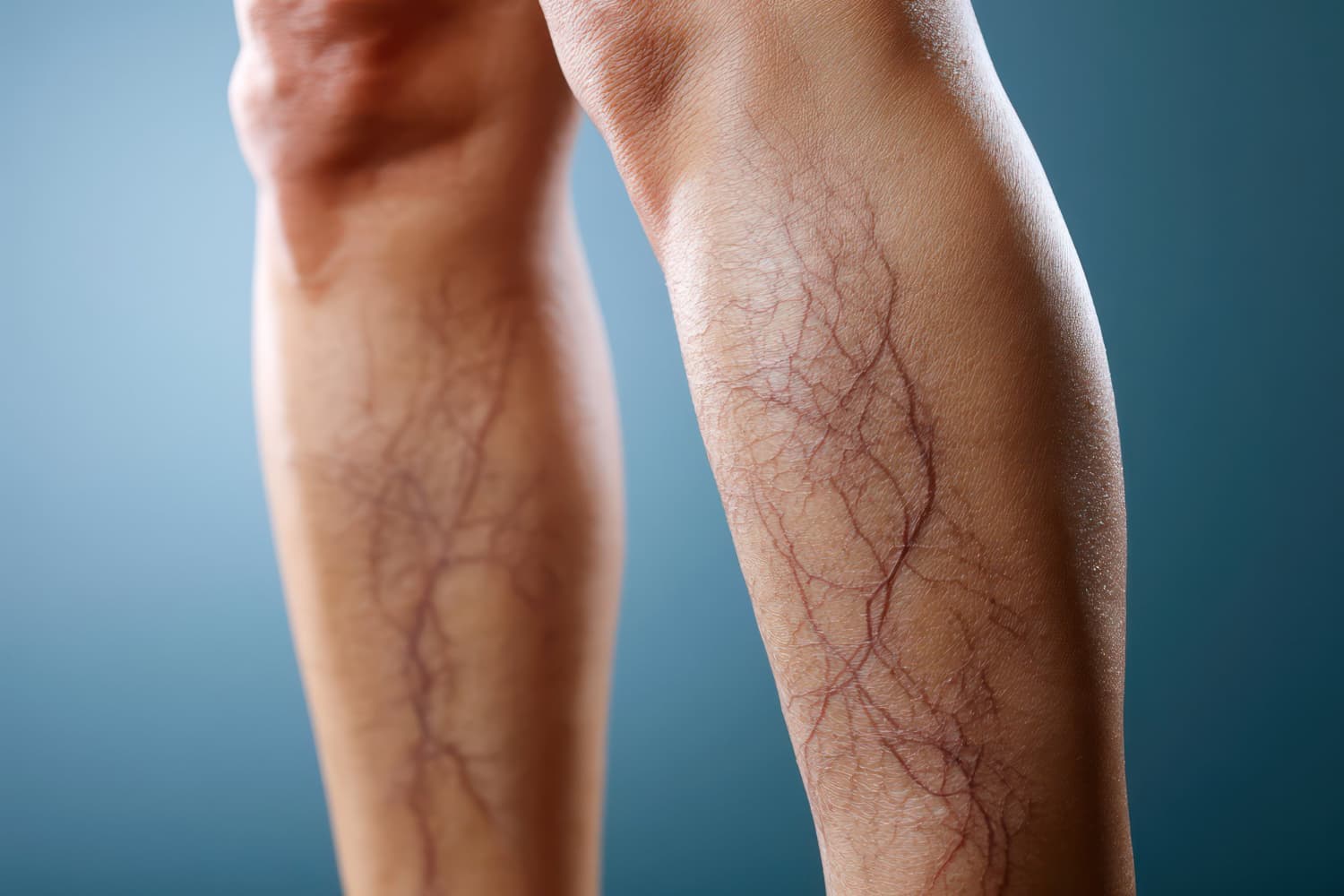
Reveal Better-Looking Legs with the Right Treatment
Visible leg veins can affect how you feel in shorts, dresses, swimwear, or simply during an ordinary day on your feet. At our practice, we use minimally invasive treatments such as sclerotherapy and microphlebectomy to address different types of visible veins, from fine spider veins to larger, raised varicose veins.
The best choice is not based on appearance alone. Small surface veins may be a cosmetic concern, while bulging veins, swelling, skin changes, or leg discomfort can point to venous insufficiency. We start by looking at the full picture so your care plan addresses both the veins you see and possible circulation concerns underneath.
Identify the Veins That Need More Than Cosmetic Care
Spider veins are small red, blue, or purple vessels close to the skin’s surface. They often form in clusters and may look like a web or thin branches. Varicose veins are usually larger, twisted, and raised above the skin. Some varicose veins cause no symptoms, but others may come with aching, heaviness, itching, swelling, or nighttime cramping.
Visible veins deserve a closer look when they are paired with symptoms such as:
- Leg pain, tiredness, or a heavy feeling
- Swelling around the ankles or lower legs
- Skin discoloration or irritation
- Slow-healing sores or venous ulcers
- Enlarging or increasingly raised veins
These concerns can be related to venous insufficiency, which occurs when vein valves are not moving blood back toward the heart as they should. A venous ultrasound helps us look below the skin and identify veins with faulty valves.
Treating surface veins without checking circulation may leave the deeper issue unaddressed. For people considering sclerotherapy treatment in Hattiesburg, an evaluation helps us determine whether injections are appropriate on their own or whether treatment for underlying vein disease should come first.
How Sclerotherapy Treats Spider and Small Varicose Veins
Sclerotherapy is an office-based treatment commonly used for spider veins and some small varicose veins. During treatment, we inject a medical solution into the targeted vein. The solution irritates the vein lining, causing the vein to close. Over time, your body redirects blood through healthier veins, and the treated vein gradually fades.
This treatment is often a good fit for:
- Fine spider veins near the skin’s surface
- Small blue or purple veins
- Small varicose veins that are not significantly raised
- Remaining surface veins after treatment for deeper vein problems
You can generally return to normal daily activities soon after sclerotherapy. We may recommend walking and wearing compression stockings for a period of time to support recovery. Because veins fade gradually, visible changes may take several weeks. Extensive spider veins may also need more than one treatment session to reach the desired improvement.
Sclerotherapy can improve the appearance of treated veins, but it is not a one-size-fits-all solution. Larger, bulging veins often need a different approach to remove them effectively.
When Microphlebectomy Offers a Direct Solution
Microphlebectomy is often used for larger varicose veins that sit above the skin and are too prominent for sclerotherapy alone. During this minimally invasive procedure, we make tiny openings in the skin and gently remove the diseased vein segments. The openings are very small, so stitches are often unnecessary and scarring is typically minimal.
Unlike sclerotherapy, which closes a vein and allows it to fade over time, microphlebectomy removes the targeted raised vein directly. This can provide faster visible improvement for the bulging veins being treated. Local anesthesia is commonly used, and you can usually walk soon after the procedure.
Removing damaged surface veins does not harm your circulation. Blood naturally reroutes through healthy veins, while the diseased veins are no longer carrying blood effectively. In some cases, microphlebectomy is paired with treatment for venous insufficiency, especially when an ultrasound shows that deeper vein problems are contributing to the visible varicose veins.
Recovery instructions vary by person and procedure, but compression garments are commonly part of healing. We also usually advise a short break from strenuous exercise while the treated areas recover.
Compare Recovery, Results, and Treatment Timing
Both sclerotherapy and microphlebectomy can be part of a personalized vein treatment plan. The right option depends on the size and location of your veins, your symptoms, your health history, and what we see on ultrasound.
In general, the differences look like this:
- Sclerotherapy is commonly used for spider veins and small surface varicose veins.
- Treated veins after sclerotherapy fade gradually over several weeks.
- Microphlebectomy is commonly used for larger, raised varicose veins.
- Microphlebectomy removes targeted bulging vein segments directly.
- Either treatment may be combined with care for underlying venous insufficiency.
Compression can play an important role after either procedure. Wearing garments as directed, staying active with walking when recommended, and following your individual aftercare instructions can support a smoother recovery.
Fall can be a practical time to begin vein care because it gives you time to focus on treatment before holiday gatherings and the return of spring and summer activities. Starting earlier also allows time for gradual fading after sclerotherapy or for a staged treatment plan when deeper vein disease is involved.
Make an Informed Choice About Visible Veins
A comprehensive evaluation with our vein specialist, Dr. J. Keith Thompson, helps separate a cosmetic concern from a possible circulation problem. We provide specialized diagnosis and minimally invasive vein treatment for people in Hattiesburg, D’Iberville, and Meridian, including care for varicose veins, spider veins, venous insufficiency, and venous ulcers.
If visible veins come with aching, swelling, discoloration, or slow-healing sores, do not assume they are only a cosmetic issue. Understanding what is happening below the skin can help you choose an approach that fits your veins, your symptoms, and your long-term circulation needs.
Personalized Care for Healthier-Looking Legs
At Vein Care Practice, we help you compare treatment options based on the size, location, and appearance of your visible veins. Learn whether sclerotherapy treatment in Hattiesburg may be a suitable option for your goals. For individualized guidance, contact us to request an evaluation.
