
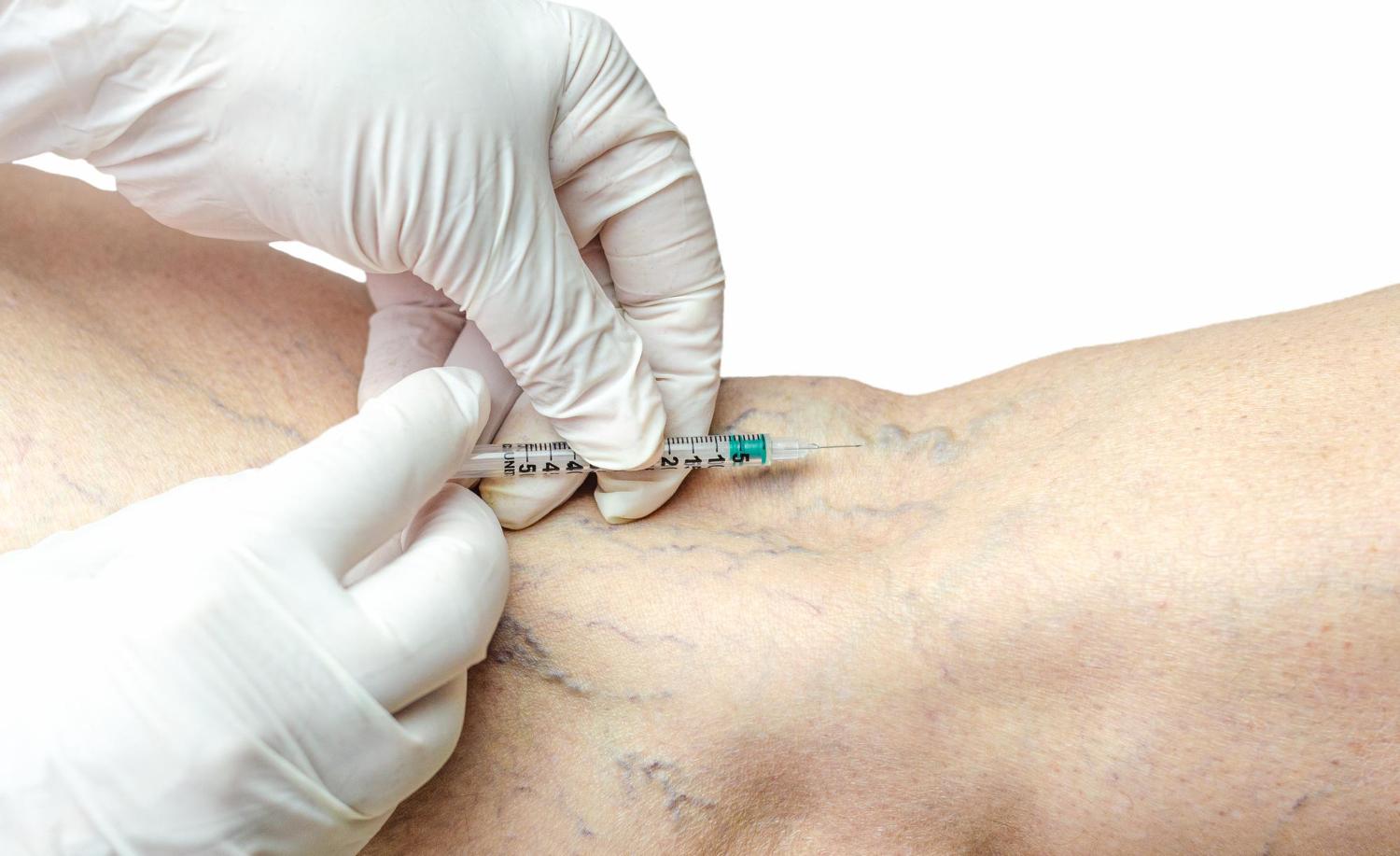
Leg heaviness, swelling, aching, itching, nighttime cramps, and visible varicose veins are not always a normal part of getting older. These symptoms can point to venous insufficiency, a circulation problem that happens when leg veins are not moving blood back toward the heart as well as they should.
At our practice, we use a personalized evaluation to look for the cause of these concerns. For some people, vein ablation in Hattiesburg is a minimally invasive treatment option that addresses unhealthy veins and the reflux behind uncomfortable symptoms.
Find the Cause of Aching, Tired Legs
Healthy leg veins have small valves that help blood travel upward against gravity. When those valves weaken, blood can flow backward and collect in the lower legs. This is called venous reflux, and it can raise pressure inside the veins over time.
That pressure may lead to symptoms such as:
- A heavy, tired feeling in the legs
- Aching, throbbing, or burning discomfort
- Swelling around the ankles or lower legs
- Itchy skin near visible veins
- Cramps or restlessness at night
Fall routines can make these symptoms more noticeable. Long days on your feet, sitting during travel, preparing for seasonal events, or spending more time driving can all leave your legs feeling worse by the end of the day.
Visible veins do not always tell the full story. Some people have significant symptoms with few noticeable surface veins, while others have prominent varicose veins but little discomfort. That is why we begin with a medical review, physical examination, and ultrasound imaging. The ultrasound allows us to map blood flow and identify veins that may be leaking or working poorly.
How Vein Ablation in Hattiesburg Treats Reflux
Vein ablation in Hattiesburg is often used to close diseased superficial veins, including the great saphenous vein or small saphenous vein. These are veins near the surface of the leg that can become affected by reflux.
Closing an unhealthy vein may sound concerning at first, but the body has many veins that carry blood through the legs. Once a damaged vein is closed, blood can naturally reroute through healthier nearby veins. This can reduce pressure in the affected area and help improve circulation.
Unlike traditional vein stripping, modern ablation procedures are generally performed through a very small access point. We use ultrasound guidance to treat the targeted vein precisely, and local anesthetic is commonly used to numb the treatment area. For many people, this approach means less disruption to daily life than older surgical methods.
Ablation is not just about the appearance of varicose veins. It is intended to treat the medical source of vein reflux when that reflux is confirmed. Without treatment, vein disease may progress for some people and contribute to larger varicose veins, persistent swelling, skin discoloration, skin irritation, or venous ulcerations.
Still, treatment is never one-size-fits-all. Our recommendations depend on your ultrasound results, symptoms, health history, and the severity of your vein concerns.
Compare Radiofrequency and Laser Ablation Options
Radiofrequency ablation and endovenous laser ablation are two minimally invasive ways to close an unhealthy vein from within. Both approaches use controlled heat energy, but they deliver that energy differently.
With radiofrequency ablation, a thin catheter is placed inside the affected vein. Controlled radiofrequency energy heats the vein wall, causing it to close. Endovenous laser ablation also uses a small catheter, but laser energy is used to treat the vein.
Both options are designed to address reflux, and neither is automatically the right choice for every person. The size, location, and shape of the vein can help guide the decision.
During an evaluation, Dr. J. Keith Thompson can review your ultrasound findings and explain which treatment may fit your circulation needs and goals. You do not need to arrive knowing which procedure you want. Our role is to help you understand the findings and available options.
After the source of reflux is addressed, some people may also need treatment for remaining surface varicose veins or spider veins. These visible veins may require a separate approach, depending on the treatment plan.
What to Expect Before, During, and After Treatment
The first step is a detailed vein evaluation. We listen to the symptoms you notice, discuss your health history, examine your legs, and perform a venous ultrasound. This process helps us see how blood is moving and locate veins that may be contributing to your discomfort.
If ablation is recommended, treatment generally involves local anesthetic, a small catheter insertion, and ultrasound guidance. The affected vein is treated from the inside while surrounding tissue is protected as much as possible.
Recovery instructions vary by person and procedure, but many people can return to light daily activities relatively soon. Walking is often encouraged after treatment, while strenuous exercise or heavy lifting may need to wait for a period of time.
You may be asked to follow steps such as:
- Walking as directed after the procedure
- Wearing compression stockings if recommended
- Avoiding certain activities for a short time
- Returning for a follow-up ultrasound
- Watching for changes and following all aftercare instructions
Mild tenderness, bruising, or a pulling sensation can happen as the treated vein closes and heals. We provide individualized guidance so you understand what to expect and when to return for follow-up care.
Who May Benefit From Vein Ablation in Hattiesburg
Adults with confirmed venous reflux may be candidates for vein ablation, especially when leg symptoms affect work, exercise, sleep, travel, or daily comfort. Aching, heaviness, swelling, throbbing, visible varicose veins, skin discoloration, and recurring leg discomfort can all be reasons to seek a vein evaluation.
People who spend long periods standing, sitting, driving, or working at a desk may notice symptoms more often. However, symptoms alone do not confirm vein disease. Leg discomfort can have more than one cause, and not every visible vein requires ablation.
A consultation helps us determine whether reflux is present and whether treatment may be appropriate. Vein ablation may also be considered for more advanced vein disease, including chronic skin changes or venous ulcerations. We serve people seeking specialized vein care in Hattiesburg, D’Iberville, and Meridian.
Address Vein Concerns Before Busy Holiday Plans
Persistent leg symptoms deserve attention, especially before seasonal travel, gatherings, and long days on your feet make them harder to ignore. A diagnostic ultrasound can show whether vein reflux may be contributing to heaviness, swelling, aching, or visible veins.
Understanding the cause of your symptoms is the practical first step. With a clear diagnosis, you can have an informed conversation about minimally invasive treatment options, recovery expectations, and the care plan that best matches your health needs.
Personalized Treatment Planning Starts Here
At Vein Care Practice, we take time to explain what each procedure involves and answer the questions that matter to you. Review our options for vein ablation in Hattiesburg to see how treatment may fit into your routine. When you are ready to discuss your concerns with our team, contact us to arrange a visit.
